
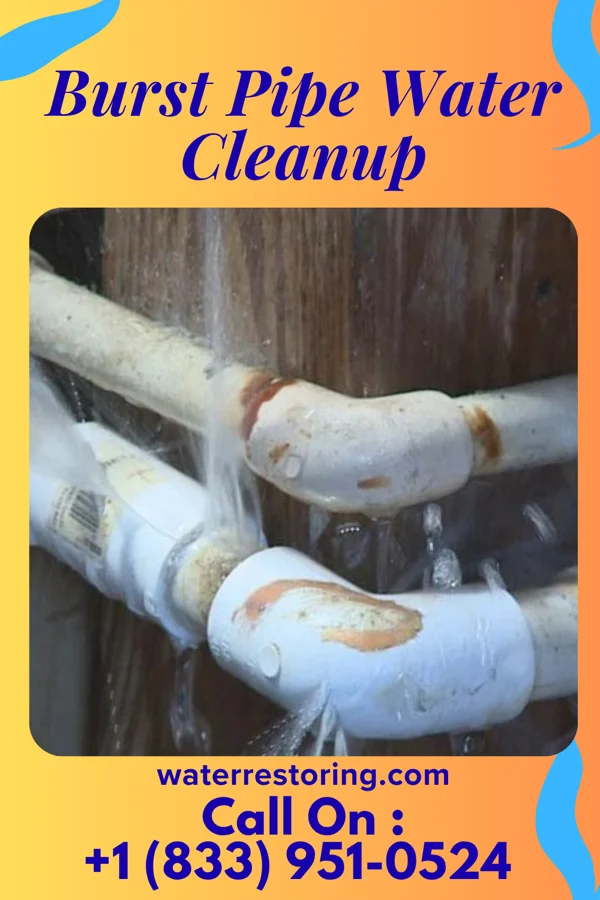
Why Burst Pipes Hit Newberry Hard
The pattern in Newberry is consistent. Newberry's suburban layout and proximity to Helena, SC, means homes are often built on well-drained soils, but the area's seasonal rainfall can lead to sudden water pressure fluctuations. The presence of nearby towns like Prosperity and Silverstreet increases the likelihood of shared water lines that may be prone to bursts during heavy storms. drives most of the emergency restoration calls we get. A close second is The region's climate, with its hot summers and frequent thunderstorms, can cause expansion and contraction of metal pipes, increasing the risk of bursts. Additionally, the area's growing population and aging infrastructure in Newberry County contribute to a higher chance of pipe failures in residential properties..
Newberry's climate, marked by hot summers and heavy rainfall, creates conditions that can stress water pipes. The area's proximity to Helena and Prosperity means shared water systems are common, which can amplify the risk of pipe bursts during extreme weather events.
Newberry's climate, marked by hot summers and heavy rainfall, creates conditions that can stress water pipes. The area's proximity to Helena and Prosperity means shared water systems are common, which can amplify the risk of pipe bursts during extreme weather events. The dominant local driver is Newberry's suburban layout and proximity to Helena, SC, means homes are often built on well-drained soils, but the area's seasonal rainfall can lead to sudden water pressure fluctuations. The presence of nearby towns like Prosperity and Silverstreet increases the likelihood of shared water lines that may be prone to bursts during heavy storms., with The region's climate, with its hot summers and frequent thunderstorms, can cause expansion and contraction of metal pipes, increasing the risk of bursts. Additionally, the area's growing population and aging infrastructure in Newberry County contribute to a higher chance of pipe failures in residential properties. showing up as the next most common cause. Damage builds in stages. Spread. Absorption. Microbial growth. Structural compromise. Every stage you pass through adds to the final bill.